The 5 Things We'll Ask You For Before We Build Your Site (And Why Most Agencies Forget Them)
By George · 10 February 2026
Here's the thing about most web design agencies: they'll happily take your money, slap a template together with some stock photos, and call it done. Then six months later, you're wondering why your phone isn't ringing and your website looks like every other business in Sunderland.
We do things differently at SR7 Web Design, and it starts before we even touch a line of code.
Before we build your site, we're going to ask you for five specific things. Not because we're awkward or demanding, but because without them, your website is just going to be another pretty thing on the internet that doesn't actually work for your business.
Let me walk you through what we need, and more importantly, why we need it.
1. Real Photos of Your Work (Not Stock Images)
This is the big one, and it's where most agencies completely drop the ball.
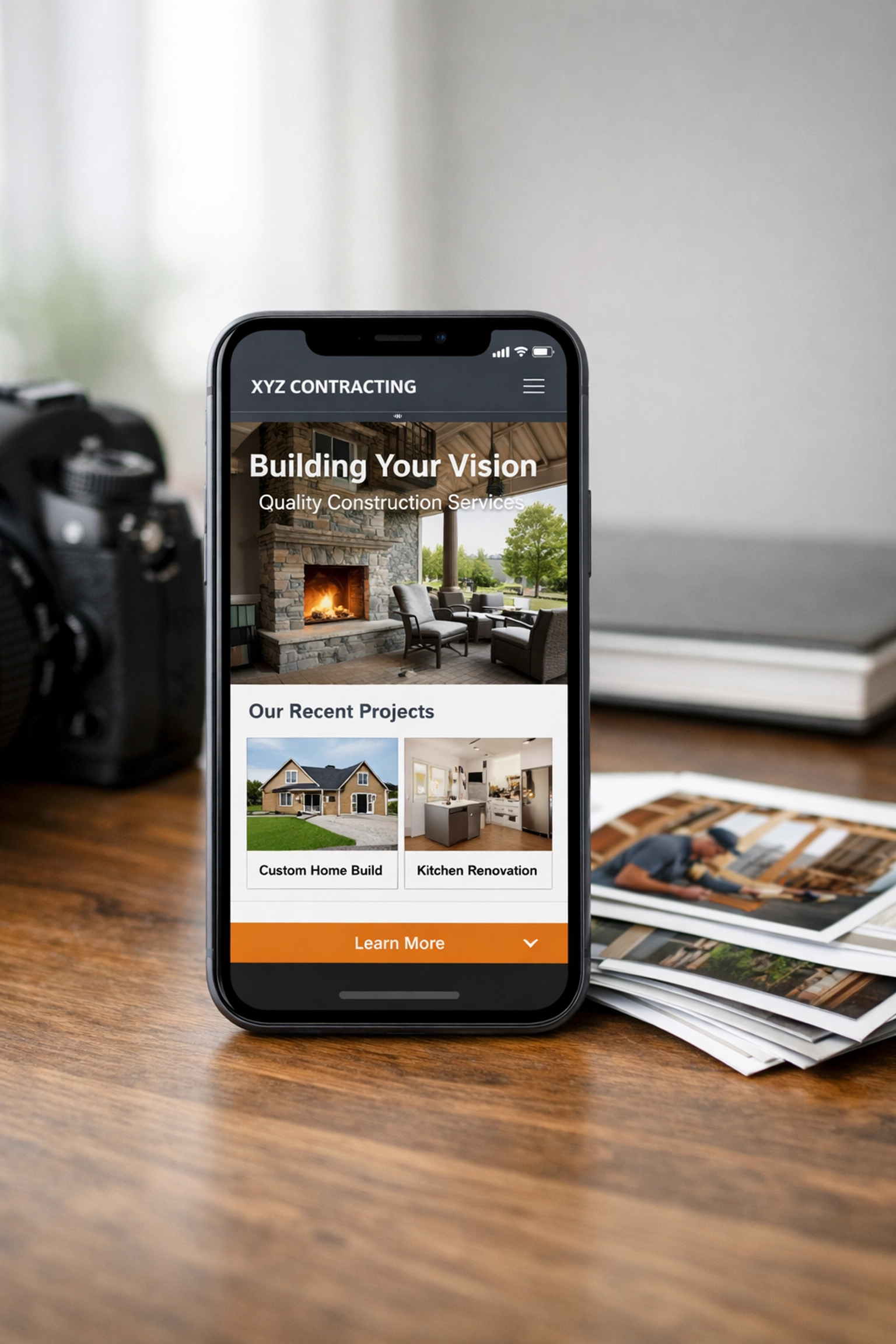
We'll ask you for actual photos of your completed jobs, your team, your workshop, your van, your office, whatever is relevant to your business. If you're a plumber in Seaham, we want to see the boilers you've installed. If you're a builder in Easington, we want to see the extensions you've built. If you run a salon in Murton, we want to see your actual chairs and your actual team.
Why this matters: People in the North East can spot a fake a mile off. When someone lands on your website and sees generic stock photos of people they've never met in offices that don't exist, they immediately think "cowboy operation" and click away.
But when they see your white van parked outside a house they recognise, or a kitchen extension that looks like their neighbour's street, suddenly you're real. You're local. You're trustworthy.
We've had clients tell us they've won jobs purely because potential customers recognised the street in one of their project photos. That's the power of being genuinely local.
What cheap agencies do: They'll grab a few stock photos from a free website, stick your logo on top, and charge you for the privilege. Those photos might look professional, but they do absolutely nothing to prove you're a legitimate business that actually does the work.
2. Genuine Customer Testimonials (With Real Names)
We're going to ask you to collect proper testimonials from your customers. Not just "great service, 10/10" rubbish, but actual detailed feedback that explains what problem they had, what you did, and what the result was.
And here's the important bit: we need real names and ideally locations. "Sarah from Houghton-le-Spring" is worth ten times more than "Happy Customer."
Why this matters: Trust is everything in local business. When someone from Seaham is looking for a tradesman or a service, they want to know you've helped people like them, in places like theirs.
A detailed testimonial that says "John fitted our new bathroom in Ryhope last month, turned up every day when he said he would, and cleaned up after himself, would definitely use again" tells people three critical things:
- You work in their area
- You're reliable
- You're tidy
That's the stuff that actually converts visitors into phone calls.
What cheap agencies do: They either skip testimonials entirely or they'll write fake ones for you. Some will even suggest you make them up. That's not just dodgy, it can land you in serious trouble if someone reports you to Trading Standards.
3. Your Actual Business Goals (Not Just "I Want a Website")
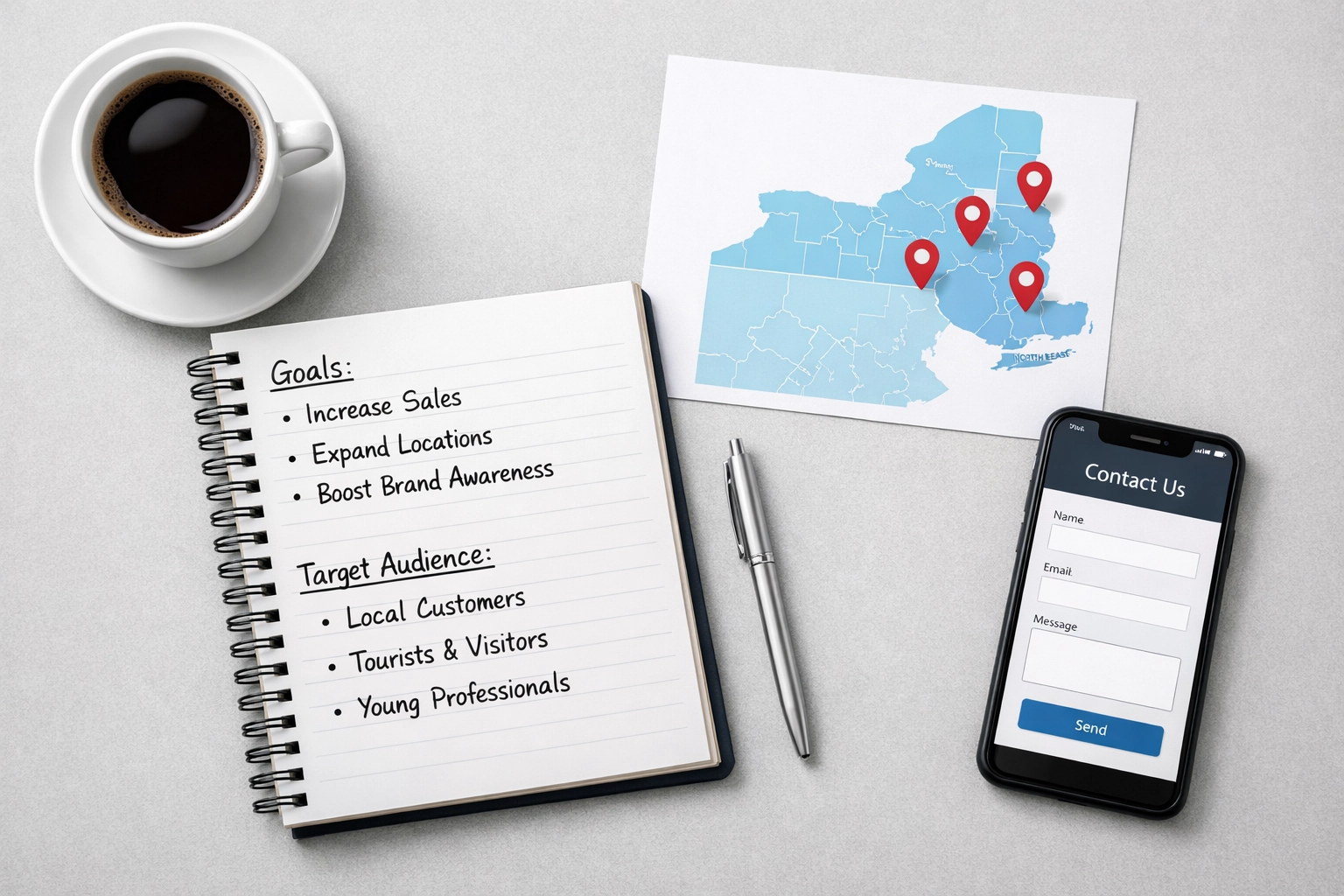
Before we start designing anything, we're going to ask you what you actually want your website to do for your business.
Do you want people to call you? Fill in a quote form? Book an appointment? Visit your shop? Sign up for your newsletter? Buy products online?
We'll also ask you who your ideal customer is. Are you targeting homeowners or businesses? New builds or renovations? Budget-conscious families or premium clients?
Why this matters: A website without a clear goal is like a shop with no till, it might look nice, but it's not making you any money.
If your main goal is getting phone calls, we'll make sure your number is massive and clickable on every page, especially on mobile. If you want people to book appointments online, we'll build that functionality in properly, not just stick a contact form at the bottom.
And if we know you're targeting, say, new homeowners in the SR7 area looking for kitchen fitters, we can write your content to speak directly to them, using the words they're actually searching for on Google.
What cheap agencies do: They ask you to "send over some content" and build whatever looks good to them. No strategy, no thought about what actions you want people to take. Then you end up with a beautiful website that nobody uses because it doesn't actually tell visitors what to do next.
4. Where You Actually Work (And Where You Don't)
We'll ask you exactly where you operate. Not just "the North East", we need specific towns and areas. Do you cover Seaham, Peterlee, and Houghton-le-Spring? Great. Do you also go as far as Durham? Washington? Hartlepool?
And just as important: where won't you travel? There's no point ranking for "plumber Newcastle" if you don't actually want to drive to Newcastle for a job.
Why this matters: This is pure local SEO gold, and it's something most agencies completely ignore.
When we know your exact service areas, we can optimise your website so it shows up when people in those specific places search for what you do. We'll mention those towns naturally in your content, create location-specific pages if needed, and make sure Google knows you're the local option.
Someone in Murton searching for "electrician near me" should find your Seaham-based business, not someone from Middlesbrough or South Shields.
What cheap agencies do: They write generic content that says you work "across the region" or "in the North East." That does nothing for your Google rankings in the specific towns where you want to win work.
5. How You Want Customers to Contact You (And When)
This sounds simple, but it's amazing how often it gets messed up.
We'll ask you: Do you prefer phone calls or emails? Are you happy with texts? Do you want a contact form, or would you rather people just call? What are your working hours? Should emergency calls go to a different number?
If you're a one-person business who's on the tools all day, there's no point having a contact form that promises "we'll get back to you within an hour" if you're not checking emails until 6pm.
Why this matters: The easier you make it for people to contact you in the way that works for your business, the more jobs you'll win.
We once had a builder client who was losing work because his website only had a contact form, and he never checked it because he was always on site. We added a big "Call Now" button with his mobile number, and his enquiries doubled overnight. Simple fix, massive impact.
What cheap agencies do: They stick a generic contact form on the site and call it done. No thought about whether that's actually the best way for your customers to reach you, or whether you'll even see those messages.
Why This Stuff Gets Forgotten
Most web design agencies, especially the cheap ones, are running a numbers game. They want to pump out as many websites as possible, as quickly as possible, with as little communication as possible.
Asking for real photos, genuine testimonials, and detailed business information takes time. It requires actual conversations with you. It means they have to understand your business, not just your brand colours.
And frankly, a lot of agencies just don't care enough to do that work.
They'd rather use a template, fill it with stock photos, write some generic copy about "quality service," and move on to the next client.
The result? A website that looks okay but does nothing. And you, the business owner, end up disappointed and out of pocket.
How This Approach Actually Helps You
When we take the time to gather these five things before we start building, something pretty powerful happens:
Your website becomes an actual marketing tool instead of a digital business card. It proves you're real, builds trust with local customers, targets the exact areas where you want work, and makes it dead easy for people to contact you in the way that suits your business.
Plus, you avoid the nightmare of launching a website and then having to go back and change everything because the content isn't working or the photos look fake or nobody's clicking the contact button.
Getting it right from the start saves you time, money, and a whole lot of frustration down the line.
What This Means for Your Business
If you're thinking about getting a website built (or rebuilding your existing one), ask your designer or agency if they're going to ask for these five things.
If they say "don't worry about that, we'll sort it," run a mile.
If they say "yeah, we'll need all that stuff from you," you've probably found someone who knows what they're doing.
And if you're a North East business owner who wants a website that actually works: one that brings in enquiries and helps you win local work: then get in touch with us. We'll walk you through exactly what we need, why we need it, and how it's all going to help your business grow.
No jargon, no pushy sales pitch, just a proper conversation about what you need and how we can help.
That's how it should be done.
Get a quote
Tell me what you do and what you need. I'll come back to you with a straight answer and a price.
- Phone07538 227194
- Emailinfo@sr7webdesign.co.uk